Appeasement & System Dynamics:
A State-Informed Lens for Court-Involved Families
Tuesday, December 16th, 2025
10:00 AM - 11:00 AM Pacific Time
11:00 AM - 12:00 PM Mountain Time
12:00 PM - 1:00 PM Central Time
1:00 PM - 2:00 PM Eastern Time
Description
High-conflict family cases often generate behaviors that look intentional but are rooted in the nervous system. Appeasement and fawning can both resemble cooperation or alignment, yet the drivers underneath are different. When misunderstood, these survival patterns can lead to mislabeling, escalating conflict, or reinforcing inaccurate narratives about children and parents.
A polyvagal-informed perspective helps professionals read behavior through the lens of safety, pacing, and context, supporting clearer decisions and steadier interventions.
Why This Matters:
- Children may appear calm or agreeable when they are working to reduce perceived threat.
- Parents may mask conflict or take on blame to avoid escalation, not because the information is accurate.
- Systems under pressure can unintentionally create rapid judgments, splitting, or competing interpretations.
- When the threat decreases, communication becomes clearer and more reliable.
Learning Objectives
-
Differentiate Appeasement vs. Fawning in Court-Ordered Treatment
Understand the difference between fast, unconscious survival responses and patterned relational strategies, and how each may shape interviews, therapy, and evaluations. -
Strengthen Clinical and Legal Decision-Making Using a State Lens
Apply practical tools such as slowing tempo, naming state rather than character, clarifying expectations, and recognizing when “cooperation” is actually protection. Reduce false narratives and increase accuracy. -
Improve System Coordination to Reduce Dysregulation
Learn concrete strategies for communication across disciplines to help the professional team avoid splitting, maintain boundaries, and stabilize the system so families can move toward healthier functioning.
Can't attend the live program? Register anyway, and we'll send a copy of the recording when it becomes available.
This is a free event. Attendees will receive a Certificate of Attendance after the webinar to use for self-reported CLE credit if your state allows it.
Speaker
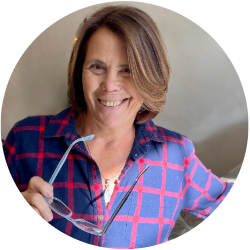
Dr. Rebecca Bailey
Dr. Rebecca Bailey is a leading trauma therapist who specializes in complex case scenarios. With over 30 years of experience in the field, she remains dedicated to the belief that authenticity, common sense, and kindness are the most essential components of effective treatment. A lifelong equestrian and animal lover, Dr. Bailey continues to find that animals, particularly horses, have much to teach humans about curiosity, compassion, and connection.
She is the author of Safe Kids: Smart Parents and Equine Connections, Polyvagal Principles: A Book of Story, Theory, Practice, and Hope, co-written with Margie McDonald and Jaycee Dugard. She is also the co-author of several peer-reviewed articles on abduction, high-conflict families, and, in collaboration with Dr. Stephen Porges and Jaycee Dugard, the concept of appeasement as a survival strategy.
Dr. Bailey co-founded the Polyvagal Equine Institute to support the application of polyvagal principles in therapeutic and educational settings, using the power of horse-human interaction to foster connection and healing. Her work continues to bridge neuroscience, trauma recovery, and the healing power of the human-animal bond.
Moderator
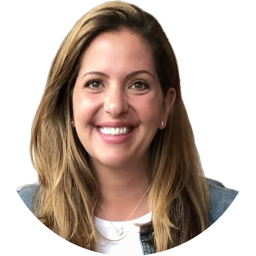
Nikol Sotos, J.D.
Nikol is an attorney & educator who has practiced family law and taught secondary education. She currently serves as a Professional Liaison for OurFamilyWizard. Her role includes educating Judges, lawyers, and other family law professionals across the US on the online tools that can be utilized to benefit and monitor the parental communication process in family law cases. She is actively engaged in the legal community in her home state of Illinois and is a member of several bar associations and committees.
She graduated with a BA in English Literature from DePaul University, received her Juris Doctor from The University of Illinois Chicago School of Law and a Professional Educator License from National Louis University. She loves to cook for her family, travel with her husband and cheer on her children at their sporting events in her spare time.